High-End Espresso Machines, Compared Honestly
Once you're past a few hundred dollars, more money buys thermal stability, build materials, and repeatability, not "stronger" espresso. Here's what separates a $700 machine from a $7,000 one, and which tier actually matches your use case.
This page contains affiliate links. If you buy through one, we may earn a commission at no additional fee charged by Vigilant Coffee. This does not affect how we evaluate or describe products.

Each machine below gets a Vigilant Score out of 10, weighted toward boiler design and temperature stability (40%), build quality and repairability (25%), documented warranty and parts availability (20%), and price-to-feature ratio for its tier (15%). It's our editorial opinion, built from published specifications and manufacturer documentation, not a lab test, so treat it as a starting point for your own research, not a final verdict.
Quick Comparison
Jump straight to specs before reading the full write-ups below.
We compared published manufacturer specifications, warranty documentation, parts and service availability, retailer information, and recurring owner and professional feedback available as of August 2026. We did not purchase or laboratory-test every product listed. Vigilant Scores represent our editorial assessment for the stated use case, not a universal or hands-on test winner.
Researched and written by the Vigilant Coffee editorial team. Reviewed and fact-checked: August 2026. Research basis: manufacturer documentation, published warranty terms, official program information, and cited third-party sources. Hands-on testing: not conducted unless specifically stated.
| Machine | Tier | Boiler | Typical Price | Score |
|---|---|---|---|---|
| Rancilio Silvia Pro X | Prosumer | Dual, PID | ~$1,700 | 8.8/10 |
| Lelit Bianca V3 | Prosumer | Dual, PID, flow control | ~$2,200 | 8.6/10 |
| Profitec Pro 700 V2 | Prosumer | Dual, PID, flow control | ~$2,700 | 9.1/10 |
| Nuova Simonelli Appia Life | Shop-Ready | Heat-exchanger, volumetric | ~$5,000–$8,000 | 9.2/10 |
| La Marzocco Linea Mini | Flagship | Dual, saturated group | ~$5,000+ | 9.4/10 |
| Sanremo YOU | Flagship | Dual boiler, single group | ~$8,000+ | 8.9/10 |
Specs verified against manufacturer documentation: July 2026. Pricing shifts with retailer promotions and currency, always confirm current price before buying.
Prosumer Dual-Boilers ($1,500–$3,500)
The tier where home espresso gets genuinely serious: independent boilers for brewing and steaming at the same time, PID temperature control, and E61 or similar commercial-style group heads.
Rancilio Silvia Pro X
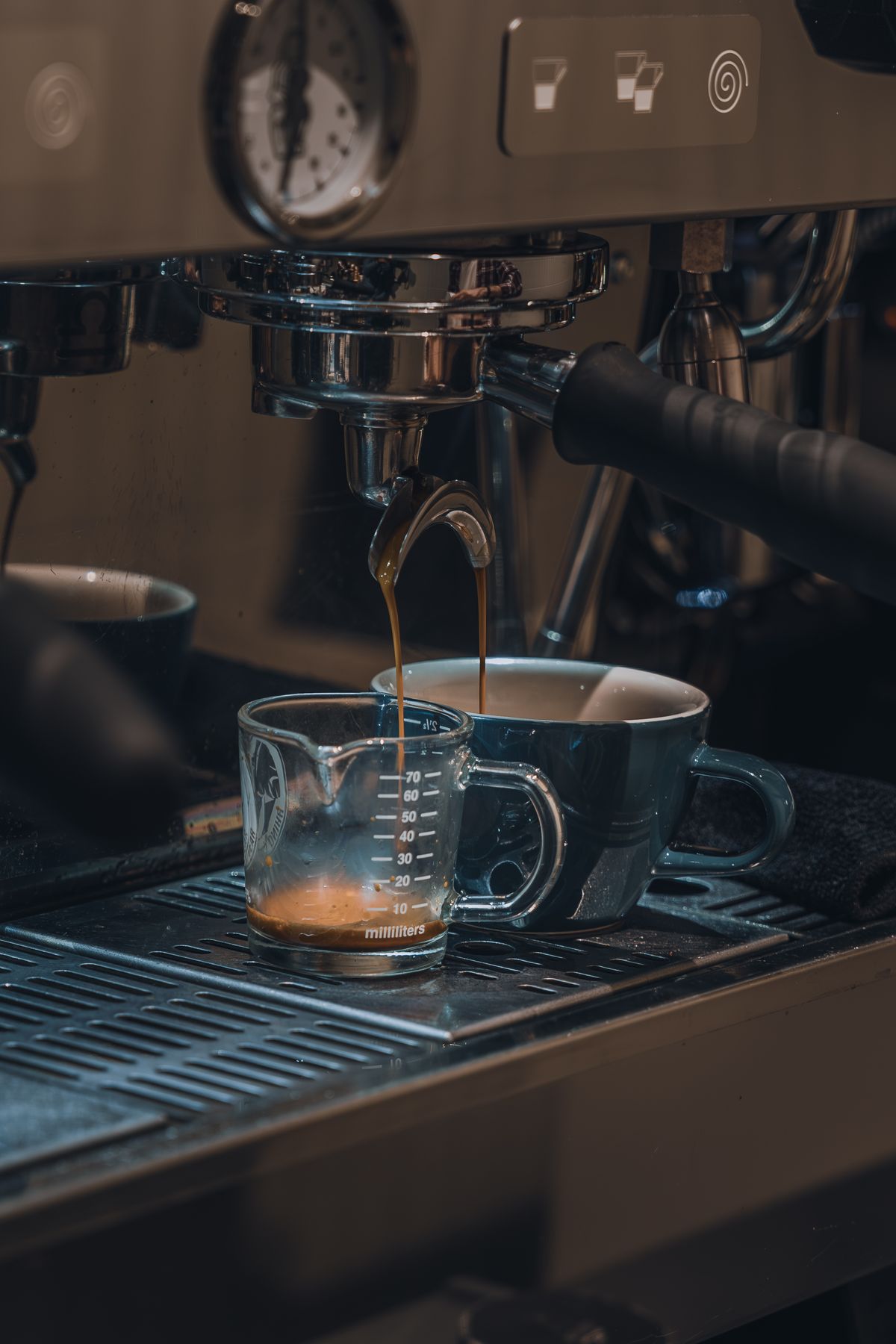
Rancilio's commercial-adjacent line brings a PID-controlled dual boiler to a price point well under most direct competitors. It's reservoir-fed with a vibration pump rather than plumbed in, the tradeoff that keeps it under $2,000. Best suited to one or two people brewing multiple drinks back-to-back without a temperature-recovery penalty.
Profitec Pro 700 V2
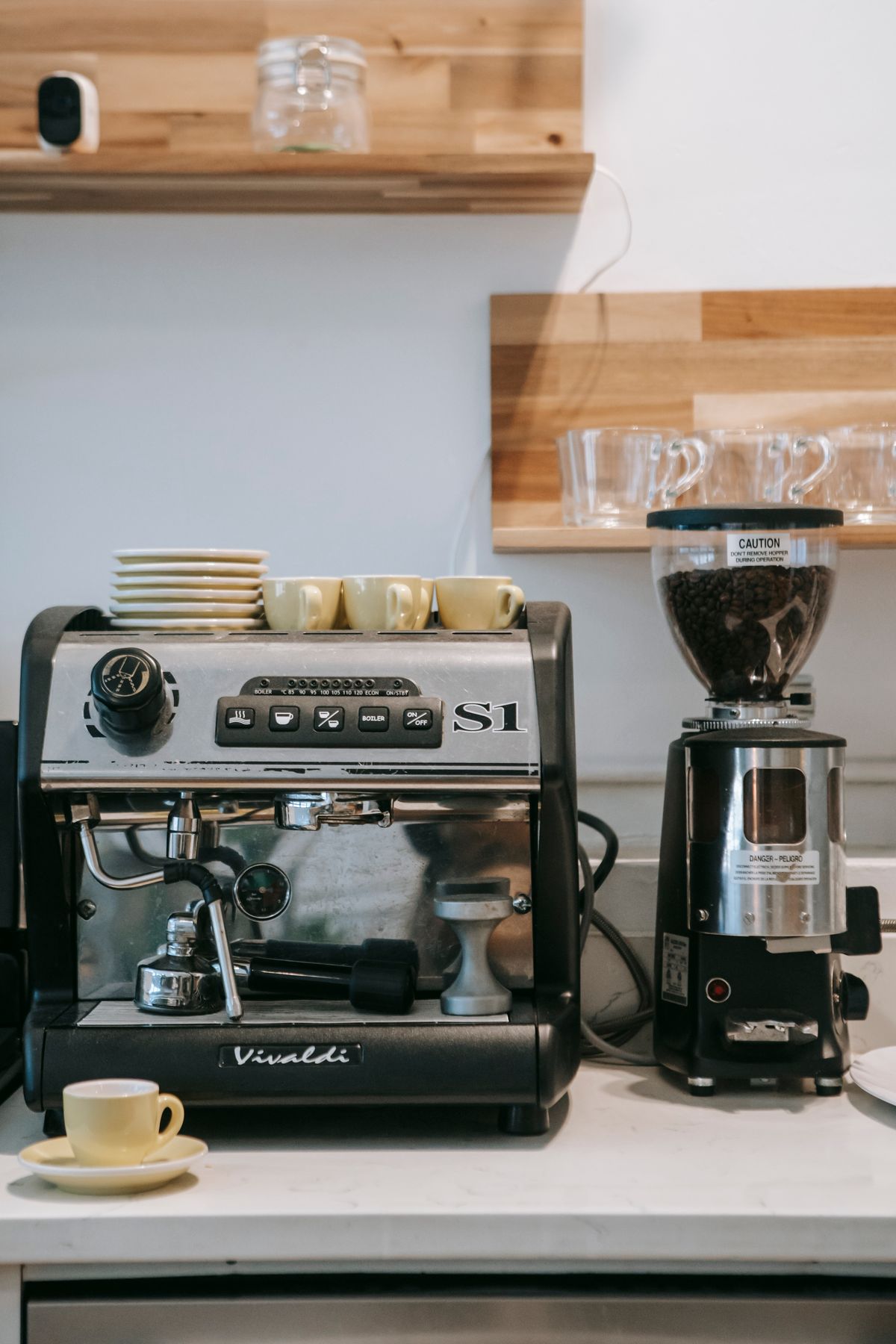
A German-engineered dual boiler with a flow control valve built in from the factory on this current V2 generation, a feature many competitors treat as a costly add-on. Heavier and more expensive than the Silvia Pro X, with the fit and finish to justify it for a long-term single-user setup. Make sure any link you follow points to the V2 or Drive version specifically, since older Pro 700 listings didn't include flow control standard.
Lelit Bianca V3
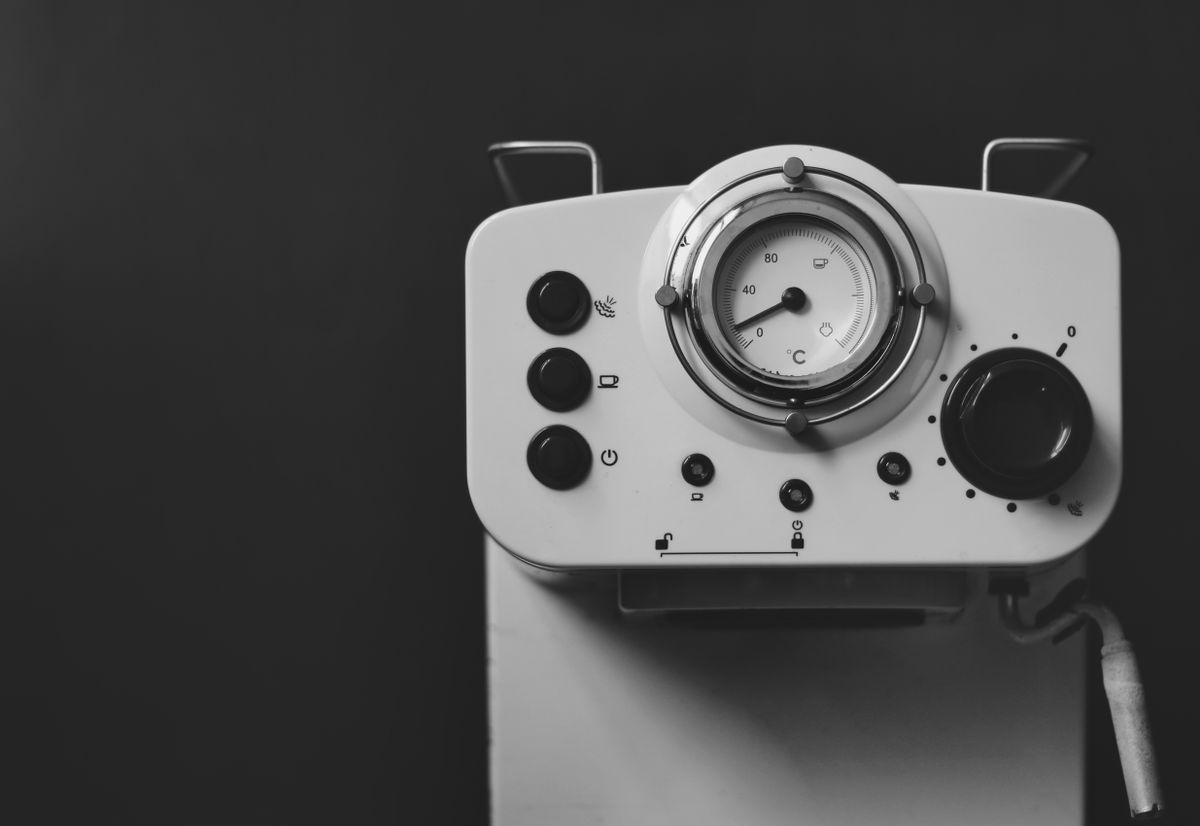
A flow-profiling machine aimed at people who want to manually shape the pressure curve of every shot. The steepest learning curve on this list, and arguably overkill until you've pulled a few thousand standard shots first.
Flagship & Shop-Ready Machines ($3,000–$10,000+)
This tier covers machines built to run all day at commercial volume, the kind you'd spec for a coffee cart, trailer, or small café rather than a kitchen counter.
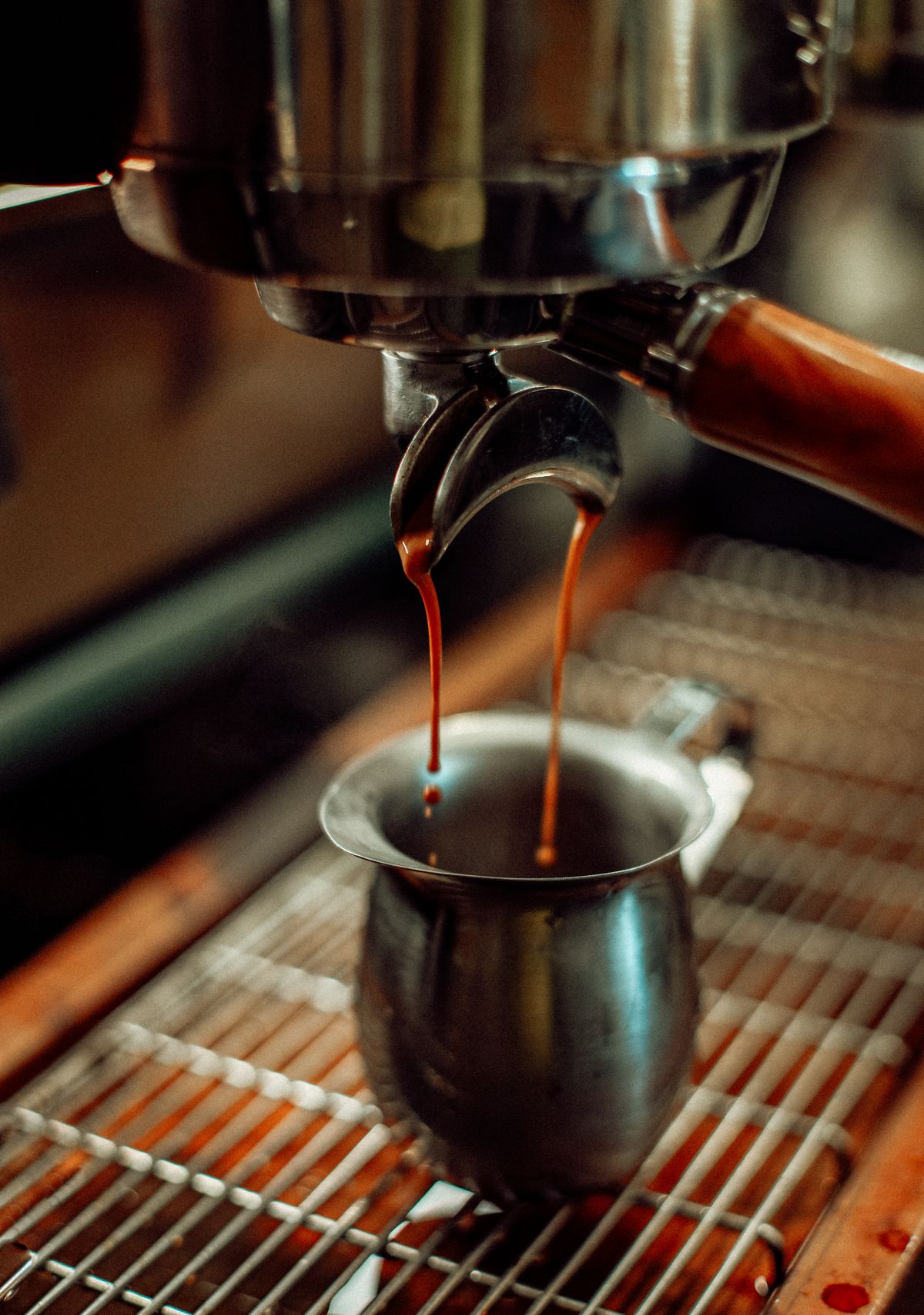
La Marzocco Linea Mini
Built on the same saturated group-head architecture as La Marzocco's café-line machines, scaled down for home or a very small mobile setup. The name recognition alone affects resale value, this is the machine most other prosumer brands are implicitly compared against.
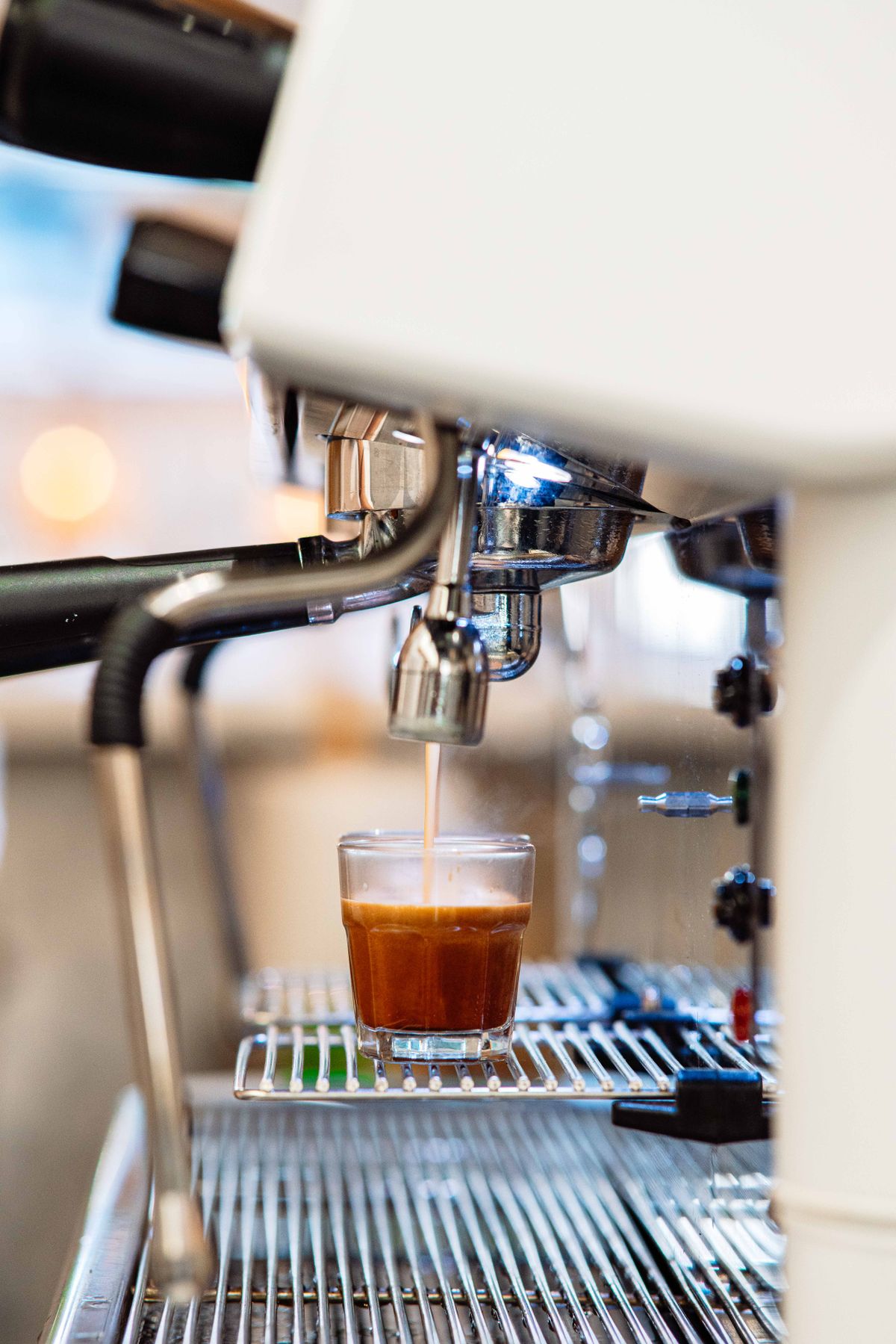
Nuova Simonelli Appia Life
A true commercial machine sized and priced for a first café or mobile cart rather than a full-scale coffee shop. Volumetric dosing and a high-capacity heat-exchanger boiler make it a common recommendation among mobile coffee equipment suppliers.
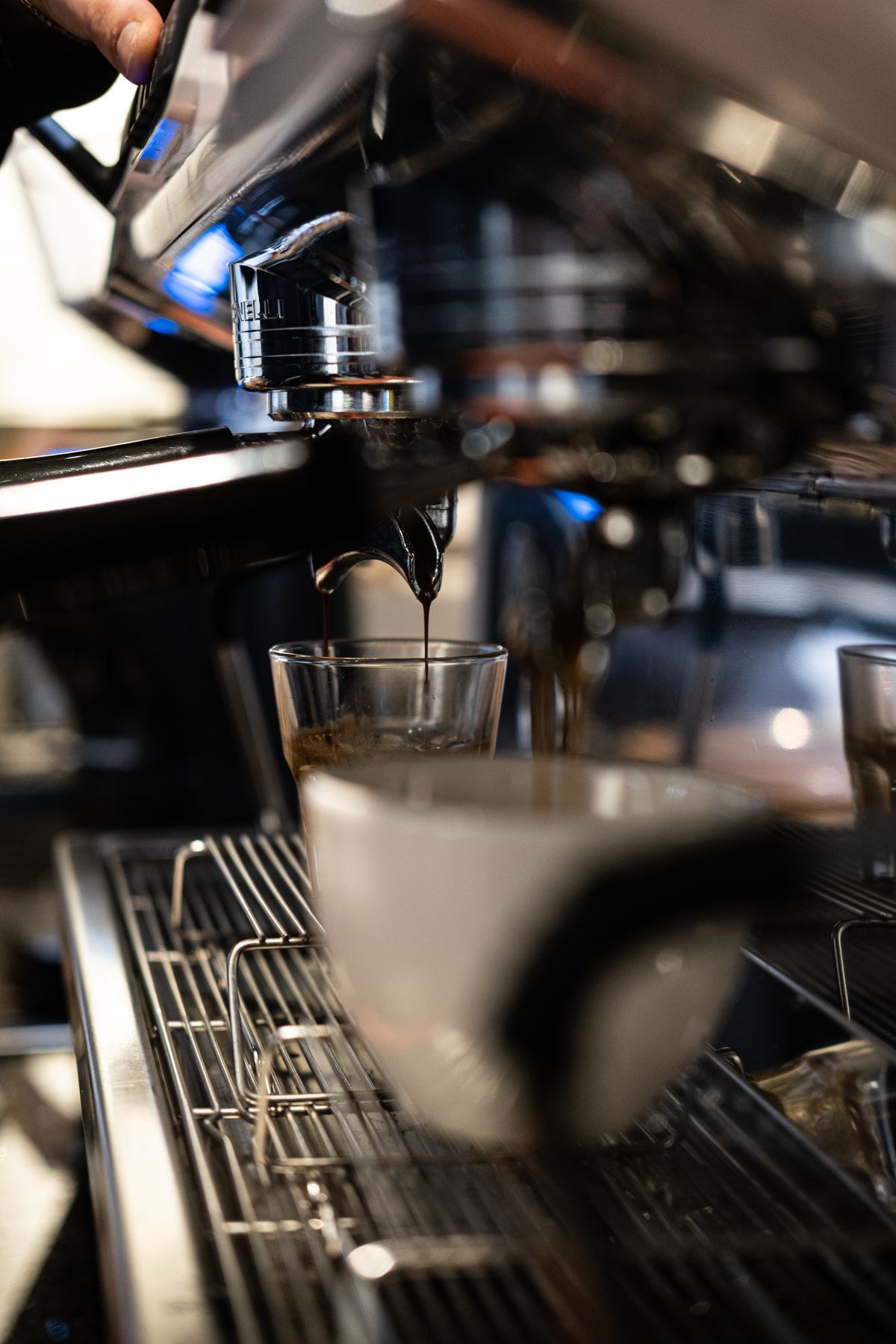
Sanremo YOU
A fully digital, touchscreen-driven single-group machine with full pressure profiling and shot-by-shot data logging. It's built with genuine commercial-grade construction, but its single group head makes it a better fit for a serious home setup, a low-volume specialty counter, or a coffee cart or trailer, not a high-volume, multi-group shop.
Dual boiler vs. heat exchanger vs. single boiler
A single boiler machine heats water for both brewing and steaming from one tank, which means waiting between pulling a shot and steaming milk. A heat exchanger (HX) design runs a small tube for brew water through a larger steam boiler, letting you brew and steam close together after a brief temperature-surfing routine. A true dual boiler keeps brew and steam water fully separate and independently controlled, so you can pull a shot and steam milk at the same time with no compromise. Most machines on this list are dual boiler for exactly that reason.
What PID control actually does
PID (proportional–integral–derivative) controllers hold brew temperature within roughly half a degree Celsius instead of letting it swing several degrees between shots. For espresso, where a 1–2°C shift can noticeably change extraction, that stability is a big part of why prosumer machines cost more than entry-level ones, it's not a gimmick.
E61, saturated groups, and why the group head matters
The group head is the metal assembly that holds the portafilter and delivers water to the puck. Heavier group heads (like the classic E61 design) act as thermal flywheels, buffering temperature swings. "Saturated" commercial groups, like La Marzocco's, keep the group head permanently filled with hot water from the boiler for even tighter thermal consistency, one reason those machines carry a premium.
Where the money stops mattering
Past a certain point, additional spend buys you data logging, multi-group throughput, and industrial-grade duty cycles, features that matter for a busy café or cart doing hundreds of drinks a day, and matter far less for a home setup doing a handful. Match the tier to your actual daily volume, not your aspirations.
Commercial machines need 3-phase or heavy-draw power, a real water plumbing plan, and NSF-rated equipment in most jurisdictions. Check our coffee cart and trailer guide before you buy a shop-grade machine for a mobile build.
See the Cart & Trailer GuideA machine is only half the equation. Grind quality and technique matter as much or more. Our barista training guide covers structured courses that shorten the learning curve considerably.
See the Training GuideVigilant Score Evidence Trail
The category weights (Thermal design 40%, Build & repairability 25%, Warranty & support 20%, Value in tier 15%) were disclosed above. Here's how each machine's score actually breaks down, criterion by criterion, so an 8.8 versus a 9.1 isn't just a number we picked.
Rancilio Silvia Pro X — 8.8/10
| Criterion | Weight | Finding | Score |
|---|---|---|---|
| Thermal design | 40% | Dual boiler with PID, solid but not flow-control equipped | 8.5 |
| Build & repairability | 25% | 58mm commercial group, established enthusiast parts/repair community | 9.0 |
| Warranty & support | 20% | Standard manufacturer terms; confirm current warranty specifics directly with the manufacturer | 8.5 |
| Value in tier | 15% | Dual-boiler PID at ~$1,700 is strong value for the prosumer tier | 9.5 |
Lelit Bianca V3 — 8.6/10
| Criterion | Weight | Finding | Score |
|---|---|---|---|
| Thermal design | 40% | Dual boiler, PID, E61 paddle flow control, ahead of the Silvia Pro X here | 9.0 |
| Build & repairability | 25% | E61 group is well-documented and serviceable, though less ubiquitous than 58mm commercial | 8.5 |
| Warranty & support | 20% | Standard terms; smaller North American service network than Rancilio | 7.5 |
| Value in tier | 15% | Flow control at ~$2,200 is a genuine step up in capability | 9.0 |
Profitec Pro 700 V2 — 9.1/10
| Criterion | Weight | Finding | Score |
|---|---|---|---|
| Thermal design | 40% | Dual boiler, PID, E61 with flow control, matches Bianca's thermal spec | 9.0 |
| Build & repairability | 25% | German engineering reputation, E61 serviceability | 9.0 |
| Warranty & support | 20% | Standard terms; confirm current warranty specifics directly with the manufacturer | 9.0 |
| Value in tier | 15% | Flow control standard at this price point, strong for the tier | 9.5 |
Nuova Simonelli Appia Life — 9.2/10
| Criterion | Weight | Finding | Score |
|---|---|---|---|
| Thermal design | 40% | Heat-exchanger, volumetric dosing, commercial-grade thermal management | 9.5 |
| Build & repairability | 25% | Established commercial manufacturer, wide professional service network | 9.0 |
| Warranty & support | 20% | Commercial-grade support network, terms not individually re-verified | 9.0 |
| Value in tier | 15% | Commercial 2/3-group options at $5,000–$8,000 is reasonable for shop-ready gear | 9.0 |
La Marzocco Linea Mini — 9.4/10
| Criterion | Weight | Finding | Score |
|---|---|---|---|
| Thermal design | 40% | Dual boiler, saturated group, La Marzocco's commercial thermal platform scaled down | 9.5 |
| Build & repairability | 25% | Widely regarded as the aspirational build-quality benchmark in this category | 9.5 |
| Warranty & support | 20% | Established brand service network; terms not individually re-verified | 9.5 |
| Value in tier | 15% | Premium pricing reflects the brand's flagship positioning, not a budget pick | 8.5 |
Sanremo YOU — 8.9/10
| Criterion | Weight | Finding | Score |
|---|---|---|---|
| Thermal design | 40% | Dual boiler, single group, digital touchscreen control | 9.0 |
| Build & repairability | 25% | Boutique commercial manufacturer, smaller service footprint than La Marzocco or Nuova Simonelli | 9.0 |
| Warranty & support | 20% | Newer to the North American market than the more established brands here | 8.5 |
| Value in tier | 15% | Digital control at $8,000+ is competitive within the flagship tier | 9.0 |
Criterion scores are our editorial judgment applied consistently against the stated weighting, not independently lab-measured. Where a finding says "not individually re-verified," that reflects published specifications and general brand reputation rather than a confirmed warranty document for that specific model, treat those criterion scores as more directional than the ones tied to a specific stated spec.
Where This Page's Information Comes From
- Rancilio — official Silvia Pro X page
- Lelit — official site
- Profitec — official site
- Nuova Simonelli — official Appia Life page
- La Marzocco Home — official U.S. site
- Sanremo — official site
Where we couldn't confirm a stable deep link to the exact model's own page, we've linked the manufacturer's official site directly, product URLs on manufacturer sites change more often than the underlying specs do. Verified August 2026.